For the millennials among us, it’s hard to remember a time before dating apps like Tinder, Bumble, Hinge, and countless others transformed the landscape of finding romance. While these apps provide an incredibly convenient way to meet potential partners in our busy lives, many of my patients have voiced concerns about the struggles and emotional pitfalls that can accompany app-based dating.
Fear of Missing Out
One of the most common issues is the feeling of constantly missing out on someone potentially “better” with limitless options just a few taps away. This “scratching the itch” for novelty by endlessly swiping and match-hunting can make it difficult to establish a real connection with any one person. As psychologist Amanda Bradford puts it, “It’s like going to a buffet – you keep looking around at all the other buffet dishes even though you already have a full plate in front of you.”
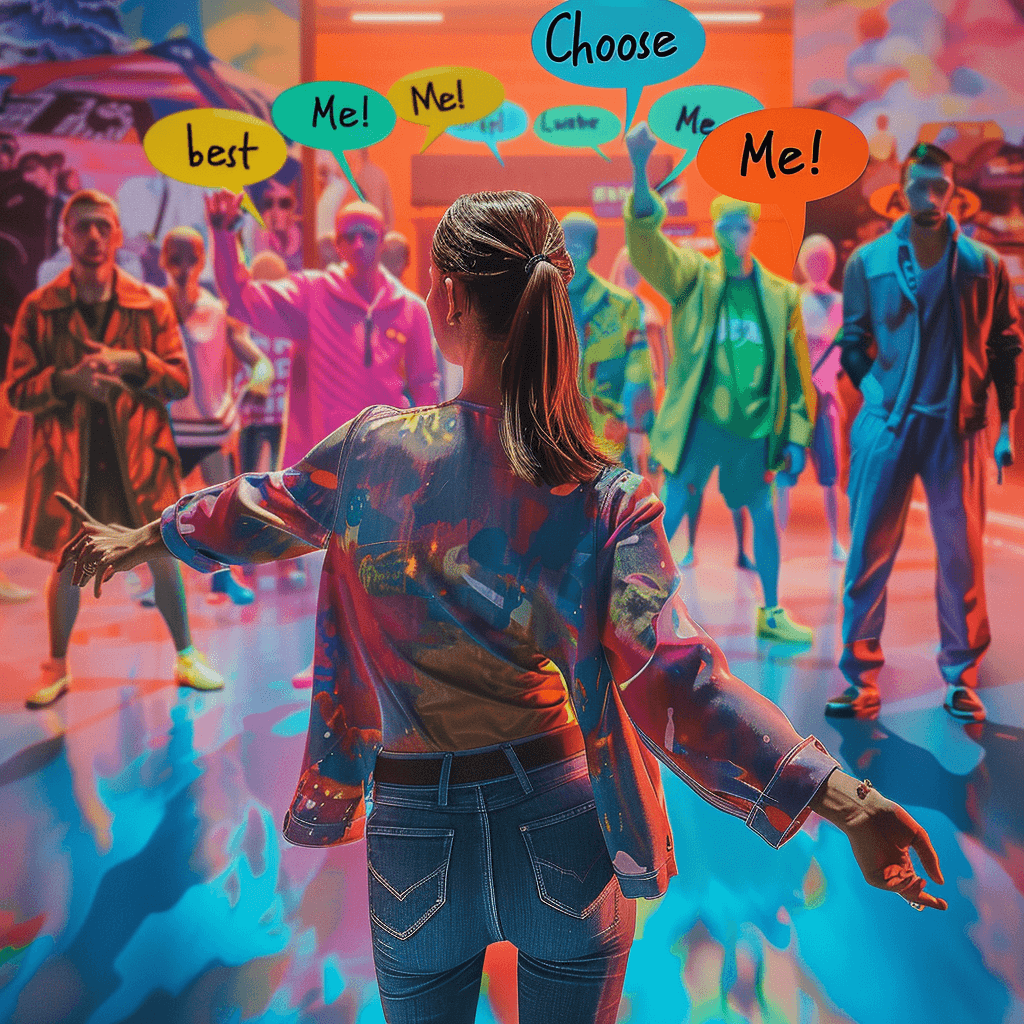
The FOMO phenomenon taps into our deep-rooted psychological need to keep our options open, arising from what researchers call the “exploration vs. exploitation trade-off.” Our ancestors who opted for excessive exploitation of their current circumstances may have missed out on greater opportunities, while those who constantly explored new options may have struggled to settle down and reap the rewards. Today’s dating apps allow us to chronically over-explore our options in a way our brains aren’t well-equipped to handle. The “swipe” feature, for example, provides instant gratification and can lead to a dopamine rush similar to that experienced with gambling or drug use. This reinforcement can create a cycle of seeking more matches and validation, leading to compulsive use. So, one may be actually “hooked” on dating apps, rather than just searching for a love match.
Overfocus on Physical Appearance
Another major issue is how strongly appearance-based these apps are in the initial phases of assessing matches. While most dating has always involved some level of physical attraction, the format of swiping yes-or-no on headshots based on split-second impressions can skew priorities in an unhealthy way. As psychologist Katrine Camcourt notes, “Judging prospective partners first and foremost by their looks cues our caveman-brains to overemphasize physical appearance at the expense of characteristics like emotional intelligence that actually drive relationship satisfaction.”
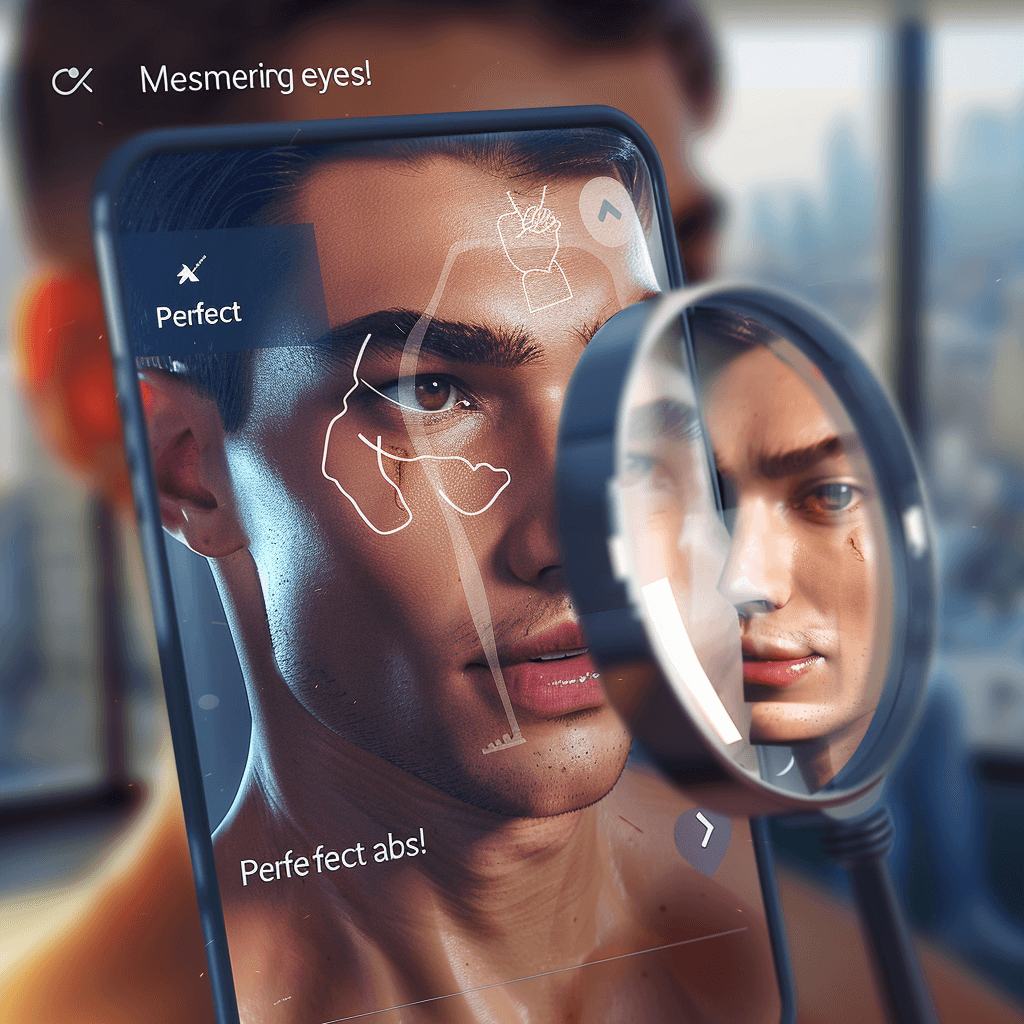
This over-focus on looks rather than substance can set up unrealistic expectations and cause us to overlook quality matches that may not impress in headshot form. Paradoxically, it can also foster feelings of inadequacy and insecurity about our physical appearances that make it harder to establish emotional intimacy down the line.
Disposability and Lack of Tolerance
The superficial swiping system can also set up an unhealthy pattern of constantly seeking out idealized perfection while dismissing good matches over minor flaws or incompatibilities. In the past, when meeting partners through family, community, or happenstance in public, we understood the need to work through differences. But with a bottomless well of alternatives just a tap away, many app users struggle with commitment and are quick to cut things off and seek greener pastures over issues that could be resolved with some patience and compromise. While some romantic incompatibilities are unresolvable, this mindset of impatient disposability too often causes us to abandon promising relationships before giving them a real chance.
The Texting Trap
The reliance on extended text communication before actually meeting can create its own pitfalls and misunderstandings. Without the context of in-person interaction, contradictions can arise between the text character and how they actually are face-to-face. Important aspects of compatibility that involve chemistry, body language, sense of humor, and conversation flow get neglected. As dating coach Elizabeth Rickey warns, “People form inaccurate mental pictures of potential partners based solely on text rapport, and can feel disappointment and whiplash when it doesn’t match up in the real world.” While text can facilitate some initial “warming up” vibe, prioritizing it too heavily can make for awkward and unsatisfying real-life encounters with people you realize aren’t a good fit after all.
So in light of these common pitfalls, what can we do to make app-based dating work more effectively and sustainably?
Here are some tips to consider
Take Time To Self-Reflect:
If you ever feel discouraged from constantly exploring different options on dating apps or find yourself unable to control your urge to compulsively swipe, it might be a good idea to take a break from these apps. During this time, you can reflect on what you truly want and need from a partner, focus on self-improvement, and reset your mindset so that you can approach dating from a healthier and less impulsive place. I find it helpful to work with patients at this stage on self-awareness. In particular, we discuss values, goals, past relationship experiences (both positive and negative) and reflect on one’s own aware and unaware needs. This can help people make more mindful, authentic relationship decisions. It is important to try and fill more time with hobbies and social interaction that will help you tune back less burnt out.

Focus on Character, Not Stats:
When matching with potential interests, put more weight on personality descriptors and discussed values rather than just assessing physical traits. This is not an easy task- try and look at this process as a muscle who needs ongoing muscle to improve its worth.
Suggest Meeting In Person, Early:
It is important not to rely solely on text messaging for dating and courtship. After establishing a good rapport, suggest meeting in person within a reasonable time frame to determine compatibility and chemistry.
Set Boundaries and Limit Usage:
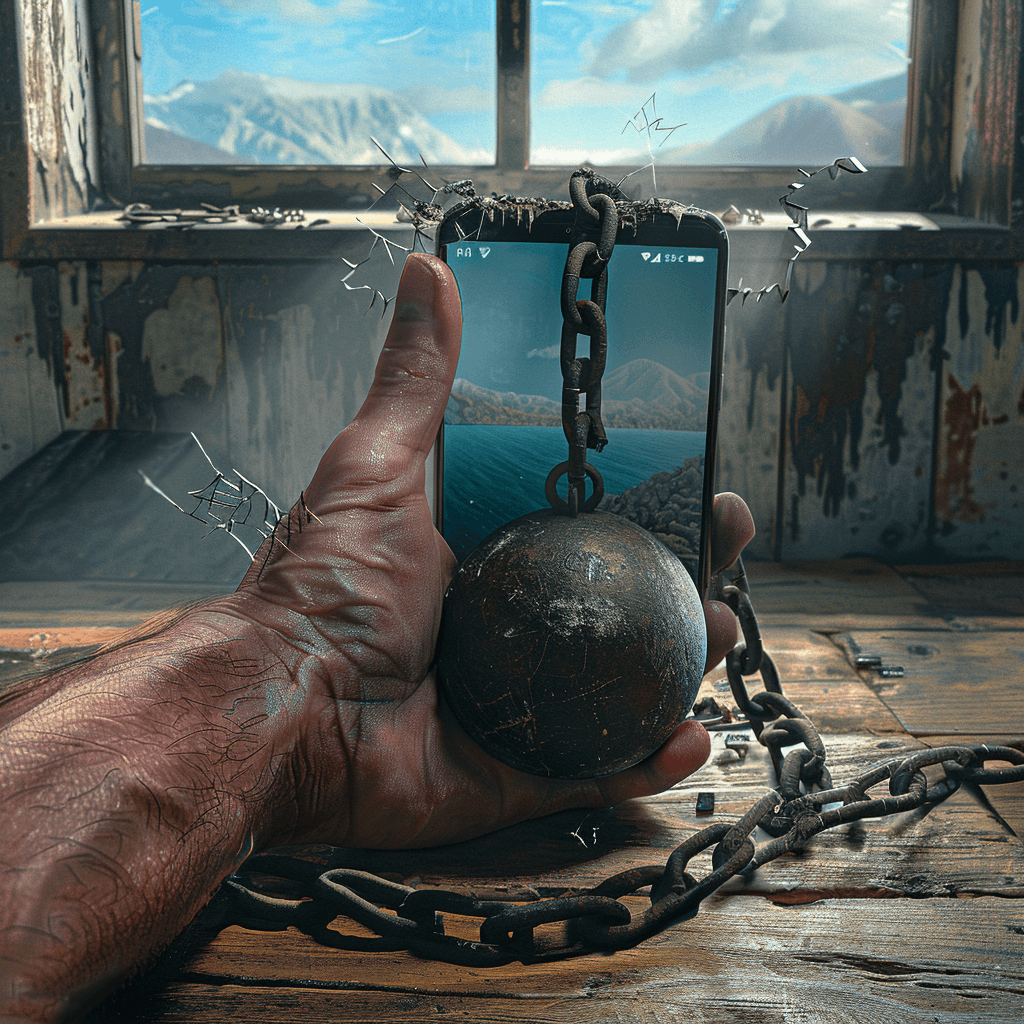
Limit the time you spend on dating apps to a specific schedule, be selective in choosing which dating apps to use, and set clear boundaries about what you’re looking for.
Manage Expectations and Rejection:
Avoid relying solely on text messaging for dating and courtship, and be mindful of forming inaccurate mental pictures of potential partners based solely on text rapport.
SO…
Dating apps have revolutionized the way we find love, but they come with their own set of challenges. From FOMO to an overemphasis on physical appearance, these apps can sometimes lead us astray. By taking the time to self-reflect, focusing on character over stats, and setting boundaries, we can make app-based dating more effective and fulfilling. Remember, it’s not about the quantity of matches, but the quality of connections.
 Psychological Mind
Leave a comment